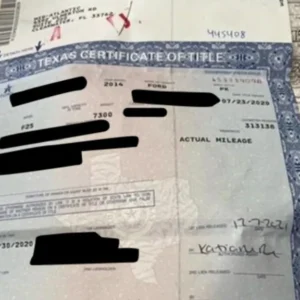
What is a Car title? A car title is an official document that serves as proof of ownership of a vehicle. It contains critical information, such as the vehicle identification number (VIN), owner details, and lienholder information, if applicable. A fake car title is a counterfeit or forged version of this document, often created with the intent to deceive others about the ownership or status of a vehicle. Some individuals may consider buying a fake car title due to various reasons, such as: Avoid the hassle of replacing a lost or damaged title. Attempting to sell a vehicle without disclosing its true ownership history. Engaging in illegal activities like fraud or theft. However, purchasing or using a fake car title comes with significant risks and consequences that far outweigh any perceived benefits. II. The Dangers of Buying a Fake Car Title 1. Legal Consequences Using a fake car title is considered a criminal offense in most jurisdictions. Depending on the severity of the act, penalties can include: Fines range from hundreds to thousands of dollars. Jail time for forgery, fraud, or other related charges. Permanent criminal records could affect future employment, housing, and financial opportunities. 2. Risks of Getting Caught Law enforcement agencies and Department of Motor Vehicles (DMV) offices have sophisticated systems in place to detect fraudulent documents. Common red flags include mismatched VINs, incorrect formatting, or suspicious signatures. Once caught, offenders face not only legal repercussions but also the potential loss of their vehicle. 3. Impact on Insurance Coverage Insurance companies require accurate documentation when issuing policies. Submitting a fake car title can void your coverage entirely, leaving you financially responsible for accidents, damages, or liabilities. Additionally, insurers may blacklist you from obtaining coverage in the future. 4. Long-Term Effects on Vehicle Ownership Even if a transaction involving a fake title initially succeeds, it creates complications down the line. For example: Future buyers may refuse to purchase the vehicle once they discover discrepancies. Banks or lenders may reject loan applications tied to the vehicle. The DMV may revoke registration privileges until the issue is resolved. III. How to Spot a Fake Car Title Car title fraud is a growing concern, and identifying a fake car title is crucial to avoid scams, financial loss, and legal troubles. Here are key indicators to help you spot a fraudulent vehicle title before making a purchase. 🚨 Key Indicators of a Fake Car Title 1ļøāƒ£ Poor Quality Printing & Paper A genuine car title is printed on high-quality, durable paper with clear text and professional formatting. Signs of a fake title include: āœ… Blurry or faded text āœ… Uneven alignment or spacing issues āœ… Thin, flimsy, or incorrect paper type 2ļøāƒ£ Incorrect Information & VIN Mismatch Always check the details on the title for accuracy. A fake title may contain errors such as: āŒ Mismatched or altered VIN (Vehicle Identification Number) āŒ Incorrect owner details or registration dates āŒ Outdated formats that do not match official DMV records šŸ” How to verify: Compare the VIN on the title with the VIN on the car (dashboard, driver-side door, engine block). If they don’t match, the title is likely fake. 3ļøāƒ£ Missing Watermarks or Holograms Most official car titles contain built-in security features to prevent forgery, including: āœ… State-specific watermarks visible under light āœ… Embossed seals or raised lettering āœ… Holograms or color-shifting ink Tip: Hold the title under a bright light and inspect for official seals and holograms. If these features are missing, it’s likely a counterfeit title. 4ļøāƒ£ Unusual Fonts, Spacing, or Layout Government agencies use consistent fonts, formatting, and spacing on all official documents. Fake titles may have: āŒ Strange fonts or inconsistent text sizes āŒ Extra spaces, misalignment, or uneven margins āŒ Poorly replicated logos or missing state identifiers Compare the title with an official sample from your DMV website to identify discrepancies. šŸ” Additional Steps to Verify a Car Title āœ”ļø Contact the DMV – Provide the title number and VIN to confirm authenticity. āœ”ļø Check for Alterations – Look for erasures, white-out marks, or smudging. āœ”ļø Request a Vehicle History Report – Services like Carfax or AutoCheck can verify past ownership. āš ļø Final Warning: Never Buy a Car with a Suspicious Title If a seller hesitates to provide a clear and verifiable title, it’s a major red flag. Always conduct due diligence before completing a vehicle purchase to avoid legal and financial risks. Would you like more details on how to verify a car title through your local DMV? šŸš—šŸ”Ž Tips for Verifying Authenticity Cross-reference the VIN with the vehicle’s physical markings and online databases. Contact your local DMV to confirm the legitimacy of the title. Use third-party services like CARFAX to verify the vehicle’s history and ownership records. IV. Alternatives to Buying a Fake Car Title If you’re facing issues with your car title, there are legitimate ways to resolve them without resorting to illegal means. 1. Replacing a Lost or Missing Title Most states provide straightforward processes for replacing lost titles. Here’s how: Visit your local DMV office or their website. Complete the required application form. Pay a small fee (typically $10-$30). Provide proof of identity and vehicle ownership. 2. Selling a Vehicle Without a Title While selling a car without a title can be challenging, it’s possible by following these steps: Obtain a replacement title before listing the vehicle for sale. Be transparent with potential buyers about the situation. Offer discounted pricing to compensate for the inconvenience. 3. Addressing Lienholder Issues If your title lists a lienholder, contact them directly to obtain a release of lien. This step ensures the title is free and clear for transfer. Purchasing or using a fake car title is a dangerous gamble with severe consequences. Beyond the immediate legal risks, it undermines trust, jeopardizes insurance coverage, and complicates future transactions. Instead of taking shortcuts, always pursue lawful solutions through your state’s DMV or trusted resources. Honesty and integrity should guide all aspects of vehicle ownership. By addressing title issues responsibly, you safeguard your reputation, finances, and peace of mind. Remember, no temporary benefit is worth the long-term damage caused by engaging in illegal activities. V. Additional Considerations: Understanding the Broader Implications 1. Impact on Trust in Transactions When buying or selling a vehicle, trust is paramount. A fake car title erodes this trust, not only between the parties involved but also within the broader automotive marketplace. For instance: Buyers may become wary of private sales altogether. Sellers might face reputational damage if caught using fraudulent documents. This loss of trust can ripple through communities, making it harder for everyone to engage in legitimate transactions. 2. Ethical Responsibility as a Vehicle Owner Owning a vehicle comes with responsibilities—not just legal ones, but ethical ones, too. Using a fake car title violates societal norms of honesty and fairness. It can lead to: Exploiting unsuspecting buyers who rely on accurate documentation. Contributing to larger systemic issues like fraud and identity theft. By choosing ethical solutions, you contribute to a culture of accountability and respect in the automotive industry. 3. The Role of Technology in Detecting Fraud Modern technology has made it increasingly difficult to pass off fake titles undetected. Many states now issue electronic titles (e-titles), which are stored digitally and linked to secure databases. These systems reduce the risk of forgery and streamline verification processes. Even physical titles often include advanced security features such as: Microprinting UV-sensitive inks Embedded holograms Attempting to replicate these features without authorization is nearly impossible and easily traceable. VI. Real-Life Scenarios: Lessons Learned from Fake Title Cases To further illustrate the dangers of fake car titles, let’s examine a few real-life examples: Case Study #1: The Cost of Cutting Corners John lost his car title and needed to sell his vehicle quickly. Instead of applying for a replacement, he purchased a fake title online. During the sale, the buyer discovered inconsistencies in the VIN and reported John to the authorities. As a result, John faced criminal charges, and hefty fines, and was barred from registering any vehicles in his state for five years. Case Study #2: Unintentional Victims Sarah unknowingly bought a car with a fake title. When she tried to register it, the DMV flagged the document as fraudulent. She had to forfeit the vehicle, losing both her money and her faith in private sellers. Investigations later revealed that the seller had used the fake title to conceal outstanding liens on the car. These stories highlight how fake titles harm not only those who create them but also innocent parties caught in the crossfire. VII. Preventive Measures: Protecting Yourself from Fake Titles Whether you’re buying, selling, or simply owning a vehicle, you can take steps to avoid falling victim to fake car titles: For Buyers: Always verify the title’s authenticity before completing a purchase. Inspect the vehicle’s VIN sticker (usually located inside the driver’s door frame) and compare it to the title. Use trusted third-party services to check for liens, accidents, and other red flags. For Sellers: Ensure your title is legitimate and up-to-date before listing your vehicle. Be transparent about the vehicle’s history and condition. Avoid working with buyers who insist on bypassing standard procedures. For General Owners: Store your car title in a safe place to prevent loss or damage. Report stolen titles immediately to your local DMV. Stay informed about changes in title regulations and security features. VIII. Resources for Assistance If you’re unsure where to turn for help with car title issues, here are some valuable resources: Government Agencies: Department of Motor Vehicles (DMV): Each state’s DMV provides guidance on replacing lost titles, resolving lien disputes, and verifying document authenticity. National Motor Vehicle Title Information System (NMVTIS): A database that tracks vehicle histories, including title brands and ownership transfers. Third-Party Services: CARFAX: CARFAX offers detailed vehicle history reports based on VINs. AutoCheck: This is another reliable source for uncovering hidden problems with a vehicle’s title. Legal Counsel: If you’re facing complex legal challenges related to a car title, consult an attorney specializing in automotive law. They can help navigate disputes, negotiate with lienholders, or defend against accusations of fraud. IX. Final Thoughts: Choosing the Right Path In conclusion, while the temptation to buy a fake car title may arise during stressful situations—such as needing to sell a vehicle quickly or dealing with bureaucratic hurdles—it’s crucial to resist this path. The risks far outweigh the short-term convenience, and the consequences can haunt you for years. Instead, embrace transparency and legality. If you’ve lost your title, apply for a replacement. If you’re struggling to sell a car without one, communicate openly with potential buyers and work toward a solution together. By doing so, you uphold the values of honesty and integrity, ensuring smoother transactions and fostering trust in the automotive community. Remember, owning a vehicle is not just about having transportation—it’s about being part of a system built on mutual respect and adherence to the rules. Choose wisely, act responsibly, and prioritize ethical practices in every aspect of vehicle ownership. Final Thoughts: If you encounter challenges with your car title, seek professional advice or assistance rather than resort to unethical practices. Doing so will ensure compliance with the law while maintaining transparency and accountability in your dealings.

Buy Birth Certificate OnlineĀ | Apply for Your Birth Certificate Today! | Order Birth Certificate Online

Need a certified birth certificate? We’ve got you covered.

Counterfeit Note Store and Team helps you easily file for a birth certificate request with our birth certificate application filing assistance service. Get started and Apply now for ourĀ Filing Assistance Service and get yourĀ Birth CertificateĀ in due time . Buy Birth Certificate Online

  • Buy Birth Certificate Online
  • Order Birth Certificate Online
  • Order a Birth Certificate Online in Minutes
  • Obtain official birth certificates online
  • Apply now for Birth Certificate Online

WhyĀ OurĀ Service

Because we are not a government agency, we make the process of ordering yourĀ birth certificateĀ simple and painless. Benefits of our service include:Buy Birth Certificate Online

  • Simple 5-10 minute process to birth certificate request assistanceĀ service:Ā No research or government headaches required
  • Faster processing:Ā We file directly with processing agencies, which saves you wait time and expedites the ordering process.
  • Live assistance and open communication:Ā Our team is here if you need help or have questions. We respond to all support tickets within an hour
  • Error checking and review:Ā Our experts review each order to ensure smooth, efficient processing.
  • With us, there’sĀ no hassle. We make it fast, easy, and painless for you to request a birth certificate. You get the picture.

How Do I Get a New Birth Certificate?

There are several ways toĀ obtain a new birth certificate, but when you order your birth certificate with global genuine documentsĀ  your request is reviewed by experts and checked for errors before it is filed. This not only hastens the process of getting your birth certificate but also saves you the potential time and frustration of re-filing documents through the mail.

Our fully online service is safe, user friendly, and extremely efficient. Just fill out our online order form and answer all the questions to the best of your ability; we’ll file paperwork with the appropriate agency on your behalf and monitor your order for you until it is fulfilled.

Where Can I Get My Birth Certificate?

Getting your birth certificateĀ . Replacing vital documents can be a huge hassle, especially through traditional mail. Obtain a birth certificate through the local government in your place of birth, but the hall of records or county clerk in your hometown may not be able to provide expedited service or shipping if you need your birth certificate in a hurry.

That’s why it’s simpler and ultimately more cost effective to order your birth certificate online with counterfeitnotestore.com; we’re not a government agency, so we work quickly to make sure our customers get what they need, when they need it.

What Are the Requirements? Buy Birth Certificate Online

When you obtain a birth certificate from a government agency by mail, you’ll have to correctly fill out several documents and mail them with a notarized sworn statement and a check to pay the copy fee. There’s no way to check the process of your order, and long delays in processing requests are not uncommon.

With counterfeitnotestore.com you don’t need to worry about dealing with county bureaucrats and old-fashioned mail. It’s never been easier to order a birth certificate online, and we offer immediate processing options if you need your vital records quickly. Our orderĀ formĀ walks you through the necessary steps and requirements for your state, and our live experts double check every aspect of your birth certificate order for errors and inconsistenciesĀ .

Apply for Your Birth Certificate Today! . Do you need a birth certificate for one of these reasons? We can help!

Birth Certificate for USA , CANADA , AUSTRALIA , UAEĀ  , SOUTHERN AND NORTHERN AMERICA , EUROPE , UK etc

Reviews

There are no reviews yet.

Be the first to review “What is a Car title? A car title is an official document that serves as proof of ownership of a vehicle. It contains critical information, such as the vehicle identification number (VIN), owner details, and lienholder information, if applicable. A fake car title is a counterfeit or forged version of this document, often created with the intent to deceive others about the ownership or status of a vehicle. Some individuals may consider buying a fake car title due to various reasons, such as: Avoid the hassle of replacing a lost or damaged title. Attempting to sell a vehicle without disclosing its true ownership history. Engaging in illegal activities like fraud or theft. However, purchasing or using a fake car title comes with significant risks and consequences that far outweigh any perceived benefits. II. The Dangers of Buying a Fake Car Title 1. Legal Consequences Using a fake car title is considered a criminal offense in most jurisdictions. Depending on the severity of the act, penalties can include: Fines range from hundreds to thousands of dollars. Jail time for forgery, fraud, or other related charges. Permanent criminal records could affect future employment, housing, and financial opportunities. 2. Risks of Getting Caught Law enforcement agencies and Department of Motor Vehicles (DMV) offices have sophisticated systems in place to detect fraudulent documents. Common red flags include mismatched VINs, incorrect formatting, or suspicious signatures. Once caught, offenders face not only legal repercussions but also the potential loss of their vehicle. 3. Impact on Insurance Coverage Insurance companies require accurate documentation when issuing policies. Submitting a fake car title can void your coverage entirely, leaving you financially responsible for accidents, damages, or liabilities. Additionally, insurers may blacklist you from obtaining coverage in the future. 4. Long-Term Effects on Vehicle Ownership Even if a transaction involving a fake title initially succeeds, it creates complications down the line. For example: Future buyers may refuse to purchase the vehicle once they discover discrepancies. Banks or lenders may reject loan applications tied to the vehicle. The DMV may revoke registration privileges until the issue is resolved. III. How to Spot a Fake Car Title Car title fraud is a growing concern, and identifying a fake car title is crucial to avoid scams, financial loss, and legal troubles. Here are key indicators to help you spot a fraudulent vehicle title before making a purchase. 🚨 Key Indicators of a Fake Car Title 1ļøāƒ£ Poor Quality Printing & Paper A genuine car title is printed on high-quality, durable paper with clear text and professional formatting. Signs of a fake title include: āœ… Blurry or faded text āœ… Uneven alignment or spacing issues āœ… Thin, flimsy, or incorrect paper type 2ļøāƒ£ Incorrect Information & VIN Mismatch Always check the details on the title for accuracy. A fake title may contain errors such as: āŒ Mismatched or altered VIN (Vehicle Identification Number) āŒ Incorrect owner details or registration dates āŒ Outdated formats that do not match official DMV records šŸ” How to verify: Compare the VIN on the title with the VIN on the car (dashboard, driver-side door, engine block). If they don’t match, the title is likely fake. 3ļøāƒ£ Missing Watermarks or Holograms Most official car titles contain built-in security features to prevent forgery, including: āœ… State-specific watermarks visible under light āœ… Embossed seals or raised lettering āœ… Holograms or color-shifting ink Tip: Hold the title under a bright light and inspect for official seals and holograms. If these features are missing, it’s likely a counterfeit title. 4ļøāƒ£ Unusual Fonts, Spacing, or Layout Government agencies use consistent fonts, formatting, and spacing on all official documents. Fake titles may have: āŒ Strange fonts or inconsistent text sizes āŒ Extra spaces, misalignment, or uneven margins āŒ Poorly replicated logos or missing state identifiers Compare the title with an official sample from your DMV website to identify discrepancies. šŸ” Additional Steps to Verify a Car Title āœ”ļø Contact the DMV – Provide the title number and VIN to confirm authenticity. āœ”ļø Check for Alterations – Look for erasures, white-out marks, or smudging. āœ”ļø Request a Vehicle History Report – Services like Carfax or AutoCheck can verify past ownership. āš ļø Final Warning: Never Buy a Car with a Suspicious Title If a seller hesitates to provide a clear and verifiable title, it’s a major red flag. Always conduct due diligence before completing a vehicle purchase to avoid legal and financial risks. Would you like more details on how to verify a car title through your local DMV? šŸš—šŸ”Ž Tips for Verifying Authenticity Cross-reference the VIN with the vehicle’s physical markings and online databases. Contact your local DMV to confirm the legitimacy of the title. Use third-party services like CARFAX to verify the vehicle’s history and ownership records. IV. Alternatives to Buying a Fake Car Title If you’re facing issues with your car title, there are legitimate ways to resolve them without resorting to illegal means. 1. Replacing a Lost or Missing Title Most states provide straightforward processes for replacing lost titles. Here’s how: Visit your local DMV office or their website. Complete the required application form. Pay a small fee (typically $10-$30). Provide proof of identity and vehicle ownership. 2. Selling a Vehicle Without a Title While selling a car without a title can be challenging, it’s possible by following these steps: Obtain a replacement title before listing the vehicle for sale. Be transparent with potential buyers about the situation. Offer discounted pricing to compensate for the inconvenience. 3. Addressing Lienholder Issues If your title lists a lienholder, contact them directly to obtain a release of lien. This step ensures the title is free and clear for transfer. Purchasing or using a fake car title is a dangerous gamble with severe consequences. Beyond the immediate legal risks, it undermines trust, jeopardizes insurance coverage, and complicates future transactions. Instead of taking shortcuts, always pursue lawful solutions through your state’s DMV or trusted resources. Honesty and integrity should guide all aspects of vehicle ownership. By addressing title issues responsibly, you safeguard your reputation, finances, and peace of mind. Remember, no temporary benefit is worth the long-term damage caused by engaging in illegal activities. V. Additional Considerations: Understanding the Broader Implications 1. Impact on Trust in Transactions When buying or selling a vehicle, trust is paramount. A fake car title erodes this trust, not only between the parties involved but also within the broader automotive marketplace. For instance: Buyers may become wary of private sales altogether. Sellers might face reputational damage if caught using fraudulent documents. This loss of trust can ripple through communities, making it harder for everyone to engage in legitimate transactions. 2. Ethical Responsibility as a Vehicle Owner Owning a vehicle comes with responsibilities—not just legal ones, but ethical ones, too. Using a fake car title violates societal norms of honesty and fairness. It can lead to: Exploiting unsuspecting buyers who rely on accurate documentation. Contributing to larger systemic issues like fraud and identity theft. By choosing ethical solutions, you contribute to a culture of accountability and respect in the automotive industry. 3. The Role of Technology in Detecting Fraud Modern technology has made it increasingly difficult to pass off fake titles undetected. Many states now issue electronic titles (e-titles), which are stored digitally and linked to secure databases. These systems reduce the risk of forgery and streamline verification processes. Even physical titles often include advanced security features such as: Microprinting UV-sensitive inks Embedded holograms Attempting to replicate these features without authorization is nearly impossible and easily traceable. VI. Real-Life Scenarios: Lessons Learned from Fake Title Cases To further illustrate the dangers of fake car titles, let’s examine a few real-life examples: Case Study #1: The Cost of Cutting Corners John lost his car title and needed to sell his vehicle quickly. Instead of applying for a replacement, he purchased a fake title online. During the sale, the buyer discovered inconsistencies in the VIN and reported John to the authorities. As a result, John faced criminal charges, and hefty fines, and was barred from registering any vehicles in his state for five years. Case Study #2: Unintentional Victims Sarah unknowingly bought a car with a fake title. When she tried to register it, the DMV flagged the document as fraudulent. She had to forfeit the vehicle, losing both her money and her faith in private sellers. Investigations later revealed that the seller had used the fake title to conceal outstanding liens on the car. These stories highlight how fake titles harm not only those who create them but also innocent parties caught in the crossfire. VII. Preventive Measures: Protecting Yourself from Fake Titles Whether you’re buying, selling, or simply owning a vehicle, you can take steps to avoid falling victim to fake car titles: For Buyers: Always verify the title’s authenticity before completing a purchase. Inspect the vehicle’s VIN sticker (usually located inside the driver’s door frame) and compare it to the title. Use trusted third-party services to check for liens, accidents, and other red flags. For Sellers: Ensure your title is legitimate and up-to-date before listing your vehicle. Be transparent about the vehicle’s history and condition. Avoid working with buyers who insist on bypassing standard procedures. For General Owners: Store your car title in a safe place to prevent loss or damage. Report stolen titles immediately to your local DMV. Stay informed about changes in title regulations and security features. VIII. Resources for Assistance If you’re unsure where to turn for help with car title issues, here are some valuable resources: Government Agencies: Department of Motor Vehicles (DMV): Each state’s DMV provides guidance on replacing lost titles, resolving lien disputes, and verifying document authenticity. National Motor Vehicle Title Information System (NMVTIS): A database that tracks vehicle histories, including title brands and ownership transfers. Third-Party Services: CARFAX: CARFAX offers detailed vehicle history reports based on VINs. AutoCheck: This is another reliable source for uncovering hidden problems with a vehicle’s title. Legal Counsel: If you’re facing complex legal challenges related to a car title, consult an attorney specializing in automotive law. They can help navigate disputes, negotiate with lienholders, or defend against accusations of fraud. IX. Final Thoughts: Choosing the Right Path In conclusion, while the temptation to buy a fake car title may arise during stressful situations—such as needing to sell a vehicle quickly or dealing with bureaucratic hurdles—it’s crucial to resist this path. The risks far outweigh the short-term convenience, and the consequences can haunt you for years. Instead, embrace transparency and legality. If you’ve lost your title, apply for a replacement. If you’re struggling to sell a car without one, communicate openly with potential buyers and work toward a solution together. By doing so, you uphold the values of honesty and integrity, ensuring smoother transactions and fostering trust in the automotive community. Remember, owning a vehicle is not just about having transportation—it’s about being part of a system built on mutual respect and adherence to the rules. Choose wisely, act responsibly, and prioritize ethical practices in every aspect of vehicle ownership. Final Thoughts: If you encounter challenges with your car title, seek professional advice or assistance rather than resort to unethical practices. Doing so will ensure compliance with the law while maintaining transparency and accountability in your dealings.”

Your email address will not be published. Required fields are marked *